
Landscape Lighting Installation in Plymouth, MI: What to Plan Before You Buy
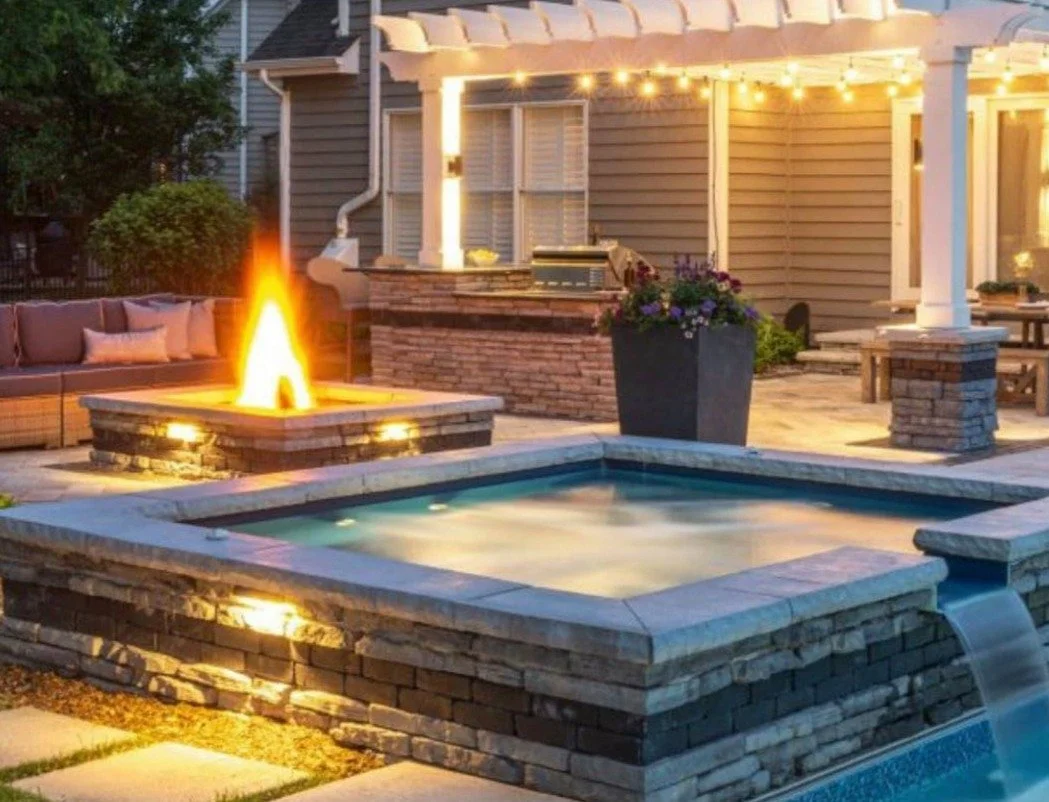
Picture your property after sunset the way it could look, not just how it does now: a walkway that's actually visible, trees uplit enough to notice, a patio that still feels usable well past dinner. That's what good landscape lighting adds to a yard, and it's also why landscape lighting installation in Plymouth, MI ends up looking scattered instead of intentional so often.
Premier Landscaping has been designing outdoor spaces in the Plymouth area since 1999, and the lighting plans that still look sharp years later are the ones planned as a full system from the start, not fixtures added one at a time as an afterthought.
What Does Landscape Lighting Installation Actually Involve?
A landscape lighting project starts with a transformer, the component that steps household voltage down to the low voltage most landscape fixtures run on. Sizing the transformer correctly for your total fixture load matters more than homeowners usually expect, since an undersized unit dims fixtures at the end of a run and shortens the life of the whole system.
Wiring runs before fixtures go in
Once the transformer location and total fixture count are set, wiring gets run to each fixture location, buried at a safe depth along planting beds, walkways, and any other path the design calls for. Planning wire runs during this stage, rather than fixture by fixture later, keeps the system organized enough to troubleshoot easily down the road.
Fixtures and final aiming finish the installation
Fixtures install last, and this is also when a contractor fine-tunes aiming and brightness after dark, since a fixture that looks right in daylight often looks completely different once it's actually doing its job at night. A walk-through after dark, with adjustments made on the spot, is what separates a lighting plan that looks designed from one that looks installed.
Where Should Landscape Lighting Go On Your Property?
Placement determines whether a lighting plan reads as cohesive or scattered. Uplighting on mature trees, path lighting along walkways, and accent lighting on architectural features like a stone facade or entry column all serve different purposes, and mixing them thoughtfully creates depth instead of a flat wash of light across the whole yard.
Walkways and entry points come first
Safety-focused lighting along paths, steps, and driveways matters most in a climate with real winter darkness by late afternoon for several months of the year. Getting this right matters beyond aesthetics too, since it's the lighting homeowners actually rely on every single evening.
Accent lighting adds depth after the essentials are covered
Once safety lighting is planned, uplighting on trees, downlighting from taller branches for a moonlighting effect, and accent washes on stone or brick features add the layered look that makes a lighting plan feel considered rather than utilitarian.
Which Fixtures Make Sense For A Michigan Yard?
Brass and copper fixtures hold up well through Michigan's freeze-thaw cycles and resist the corrosion that cheaper aluminum or plastic fixtures develop within a few winters. LED fixtures have become standard across nearly every landscape lighting project, since they use a fraction of the energy of older halogen bulbs and last considerably longer before needing replacement.
Fixture housing quality affects long-term performance
A well-sealed fixture housing keeps moisture out of the electrical connection, which matters through a Michigan winter where fixtures sit buried in snow for weeks at a time. Cheaper fixtures with poor seals develop corrosion at the connection point within a few seasons, leading to flickering or dead fixtures.
Color temperature shapes the overall look
Warmer color temperatures, in the range most residential landscape lighting uses, read as inviting and traditional, while cooler color temperatures feel more modern and architectural. Staying consistent across all fixtures in a system avoids a mismatched look where some areas glow warm and others look stark and blue.
Low-Voltage Or Line-Voltage: Which System Do You Need?
Nearly all residential landscape lighting today runs on a low-voltage system, which is safer to install, cheaper to run, and simpler to modify later than line-voltage wiring. Line-voltage systems still show up occasionally for specific applications, like certain post lights or larger commercial installations, but for most Plymouth-area residential projects, low-voltage is both the standard and the practical choice.
Low-voltage systems are easier to expand later
Adding a fixture or two to an existing low-voltage system, once the transformer has capacity, is a straightforward addition. Line-voltage systems require an electrician for any modification, since they're wired directly into household current rather than through a stepped-down transformer.
Transformer capacity should account for future additions
A transformer sized exactly to your current fixture count leaves no room to add lighting later without upgrading equipment. Building in some extra capacity from the start costs little upfront and saves a bigger expense down the road if you decide to expand the lighting plan.
How Much Does Landscape Lighting Installation Cost In Plymouth?
Cost depends on total fixture count, wire run length, transformer size, and whether the project includes smart controls or a timer system. A basic path-and-accent lighting package for a modest yard sits at the lower end of the range, while a full-property system with uplighting, moonlighting effects, and smart controls costs meaningfully more.
Phasing a project manages budget without sacrificing the plan
Some homeowners install the full wiring infrastructure up front, sized for the complete design, but add fixtures in phases as budget allows. This approach avoids the higher cost of adding wiring later while still letting the project spread out over time.
Site visits produce more accurate numbers than general estimates
National average pricing for landscape lighting varies widely and doesn't account for your yard's specific layout, tree placement, or the number of architectural features worth highlighting. A quote based on an actual walk-through of your property, ideally at dusk when lighting effects are easiest to visualize, is the only number worth planning a budget around.
How Long Does A Landscape Lighting Installation Take?
Most residential lighting projects in the Plymouth area take one to three days depending on property size, total fixture count, and how much trenching the wire runs require. A modest path-and-accent package for a typical yard often wraps in a single day, while a full-property system with extensive uplighting and multiple zones takes longer to trench, wire, and aim properly.
Trenching time depends on yard layout and obstacles
Wire runs that cross existing hardscape, mature root systems, or irrigation lines take longer to install carefully than a straightforward run through open lawn or planting beds. A contractor who maps out wire paths before digging avoids damaging irrigation lines or tree roots partway through the project.
Final aiming happens after dark, adding a separate visit
Because fixture aiming needs to happen once it's actually dark enough to see the effect, most projects include a dedicated evening visit after daytime installation wraps up. This extra step is what produces a lighting plan that looks intentional rather than approximate.
How Do You Maintain Landscape Lighting Through Michigan Winters?
A well-installed system needs relatively little upkeep, but a few seasonal checks keep it running reliably. Fixtures buried under snow for weeks at a time benefit from a spring check to confirm none were damaged by snow plow blades, ice buildup, or freeze-thaw shifting in the soil around buried wiring.
Bulb and LED module replacement is straightforward with the right system
Quality LED fixtures last many years before needing replacement, but when a bulb or module does fail, a system with accessible, standardized fixtures makes swapping it simple. Cheaper systems with proprietary or hard-to-access components turn a five-minute fix into a bigger hassle.
Timers and photocells need occasional recalibration
Michigan's daylight hours shift dramatically between winter and summer, and a timer or photocell system set once and forgotten drifts out of sync with actual sunset times over the course of a year. Checking settings each season keeps lights turning on and off when you actually want them to, rather than an hour early or late.
How Does Landscape Lighting Work With Your Existing Landscape Design?
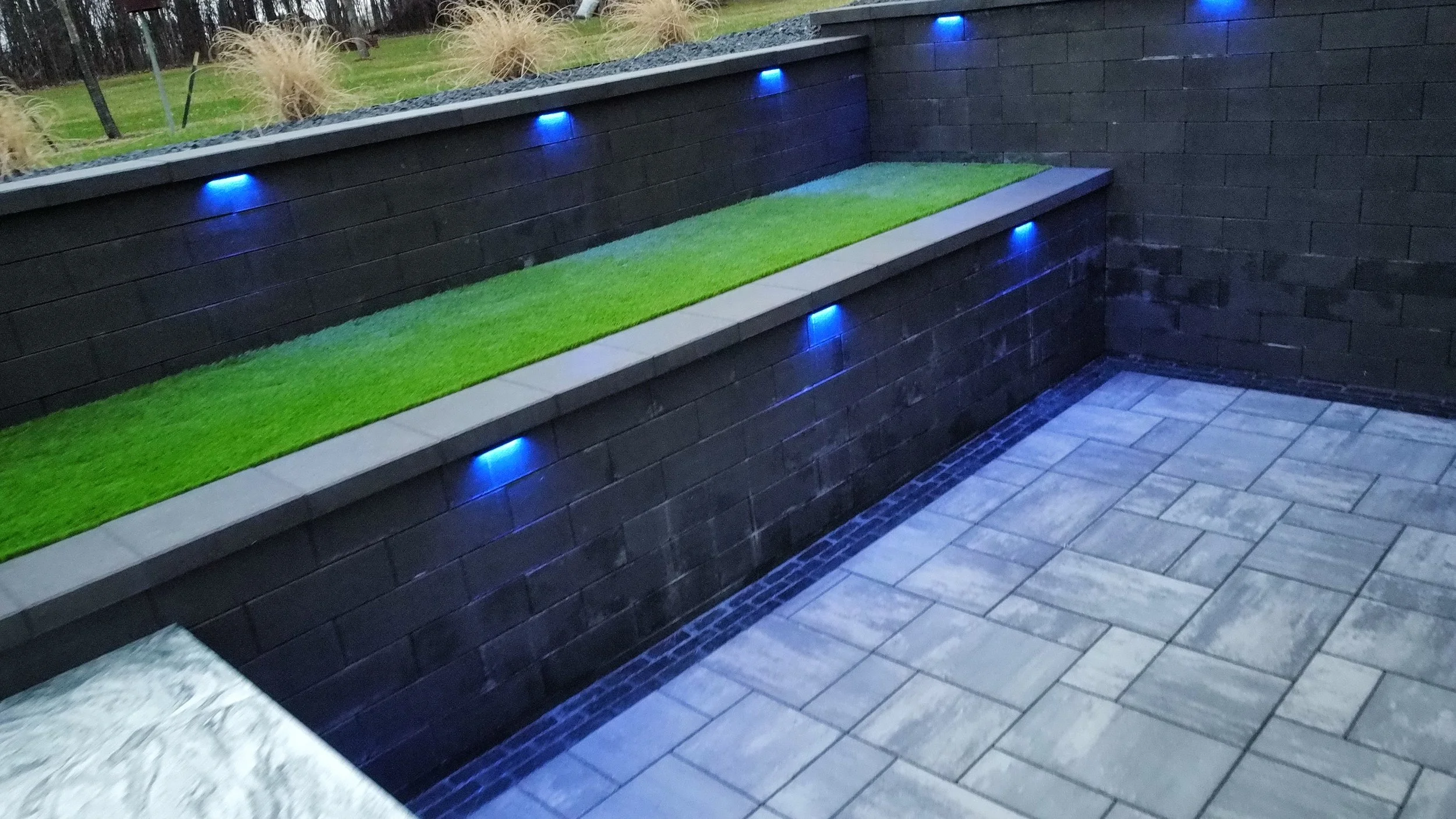
Lighting rarely works well as a standalone add-on to a yard that's already fully planted and hardscaped. The most effective systems get designed alongside, or shortly after, major landscape features like paver patios, retaining walls, and planting beds, since wire runs follow the same trenches used for irrigation or edging rather than requiring separate disruption to established plantings later.
Mature trees need a different lighting approach than new plantings
Uplighting a mature tree with an established canopy produces a dramatically different effect than lighting a newly planted sapling, and fixture placement, wattage, and beam spread should account for how much the tree will fill out over the coming years.
A contractor familiar with regional plant growth patterns plans fixture placement with that future growth in mind rather than just the tree's current size.
Hardscape features benefit from grazing and washing techniques
Stone walls, brick facades, and textured paver surfaces look considerably more dimensional when lit with a grazing technique, light angled close to the surface to emphasize texture, compared to a flat wash from farther away. Deciding which technique fits which feature is part of a thoughtful lighting design rather than an afterthought.
What Smart Control Options Are Available For Landscape Lighting?
Most modern systems pair with a smart transformer or control module that lets homeowners adjust timing, brightness, and zones from a phone app rather than a physical switch at the equipment location. This matters especially through Michigan's shifting daylight hours, since app-based scheduling adjusts automatically for sunset time rather than requiring manual timer resets every few weeks.
Zoning lets different areas run on different schedules
A system split into zones, front walkway, back patio, tree uplighting, lets homeowners run only the areas they need on a given evening rather than lighting the entire property every night. This also extends fixture and bulb lifespan by reducing unnecessary run time on zones that aren't in active use.
Integration with existing smart home systems varies by manufacturer
Some lighting control systems integrate with broader smart home platforms, while others operate as a standalone app. If integration with an existing system matters to you, confirm compatibility before selecting a transformer and control package, since switching brands later means replacing more than just the app.
Ready to Light Up Your Property?
Every yard calls for a different lighting plan depending on its layout, architecture, and how you actually use the space after dark. Premier Landscaping will walk your property, often at dusk to show real examples of placement and effect, and design a system built to look intentional for years to come.
Schedule a Landscape Lighting Consultation with Premier Landscaping to get started.
Frequently Asked Questions
Why does transformer sizing matter for landscape lighting?
A transformer sized correctly for your total fixture load keeps every fixture running at full brightness, since an undersized unit dims fixtures at the end of a run and shortens the life of the whole system. Building in some extra capacity beyond your current fixture count also matters, because a transformer sized exactly to today's setup leaves no room to add lighting later without upgrading equipment. Getting this right at the planning stage costs little upfront and avoids a bigger expense down the road. Premier Landscaping accounts for future additions when sizing transformers for Plymouth-area projects.
Should I choose low-voltage or line-voltage lighting for my yard?
Low-voltage systems are the standard for nearly all residential landscape lighting, since they're safer to install, cheaper to run, and simpler to modify later than line-voltage wiring. Adding a fixture or two to an existing low-voltage system is a straightforward addition once the transformer has capacity, while any change to a line-voltage system requires an electrician since it's wired directly into household current. Line-voltage still shows up for specific applications like certain post lights or larger commercial installations. For most Plymouth-area residential projects, low-voltage is both the practical and the expected choice.
What fixture materials hold up best through Michigan winters?
Brass and copper fixtures resist the corrosion that cheaper aluminum or plastic fixtures develop within a few winters, making them the better long-term choice for Michigan's freeze-thaw cycles. Fixture housing quality matters just as much as the material, since a well-sealed housing keeps moisture out of the electrical connection during months of fixtures sitting buried in snow. Cheaper fixtures with poor seals develop corrosion at the connection point within a few seasons, leading to flickering or dead fixtures. LED fixtures have become the standard across nearly every project as well, using a fraction of the energy of older halogen bulbs and lasting considerably longer.
How much does landscape lighting installation cost in Plymouth?
Cost depends on total fixture count, wire run length, transformer size, and whether the project includes smart controls or a timer system. A basic path-and-accent package for a modest yard sits at the lower end of the range, while a full-property system with uplighting, moonlighting effects, and smart controls costs meaningfully more. Some homeowners manage the budget by installing the full wiring infrastructure up front and adding fixtures in phases as the budget allows. A walk-through of the actual property, ideally at dusk, produces a far more accurate number than national average pricing.
How long does a landscape lighting installation take?
Most residential lighting projects in the Plymouth area take one to three days depending on property size, total fixture count, and how much trenching the wire runs require. A modest path-and-accent package for a typical yard often wraps in a single day, while a full-property system with extensive uplighting and multiple zones takes longer to trench, wire, and aim properly. Wire runs that cross existing hardscape, mature root systems, or irrigation lines also add time compared to a straightforward run through open lawn. Most projects include a separate evening visit for final fixture aiming, since that step only works once it's actually dark enough to see the effect.
Related: How Outdoor Lighting Extends the Beauty and Function of Your Landscape
About the Author
At Premier Landscaping, we create beautiful spaces for our clients to create memories and relax in Plymouth, Michigan and the surrounding areas. We help you live the good life - outside. We design and construct your fully landscaped dream yard with: retaining walls, paver patios, pathways, outdoor kitchens, water and fire features, pergolas, gazebos and lighting. So, grab your favorite beverage, fire up the grill and let’s start making your dream yard a reality.